
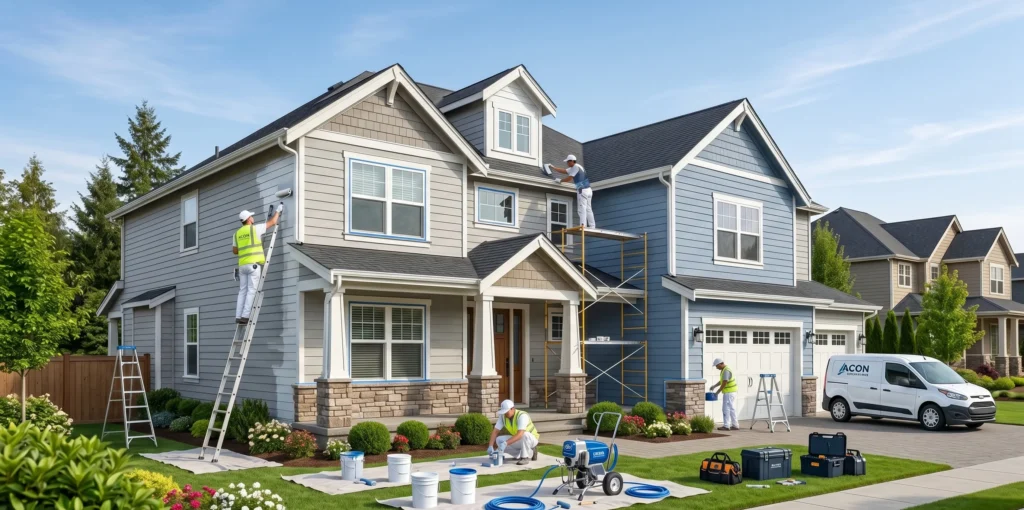
The national average cost for exterior painting falls between $2,000 and $6,000. You need a definite number right away to plan your total project budget. This baseline covers standard homes with minimal prep work. A larger square footage or a multi-story layout can easily drive the final bill well beyond $12,000.
Your exact price depends on several clear factors. Labor costs take up the biggest portion of the estimate. The specific siding type and site accessibility decide your total material expenses. You must measure all these details to get a realistic final price.
Average Exterior House Painting Costs
The standard price range sits between $1.50 and $4.50 per square foot. This rate translates to a low-end cost of $2,000 for a basic project and a high-end cost well over $12,000 for a massive home. Out of that total amount, labor makes up the largest chunk at roughly 70% to 75% of your final budget. These labor fees come from professional painters charging local market rates of $25 to $100 per hour. After covering those work hours, the remaining budget goes directly toward physical supplies. The biggest factor for those supplies is your specific siding material, which dictates the actual paint costs and exact gallons required to finish the job.
Exterior Painting Cost by Square Footage
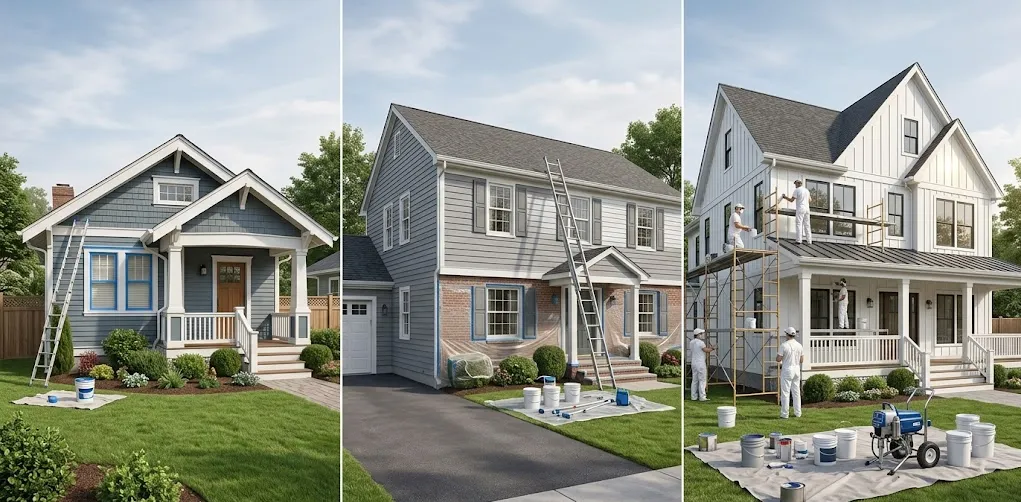
The gross square footage of your home directly drives the total project price. As mentioned above, you can expect to pay an average cost of $1.50 to $4.50 per square foot for the paintable area. This rate means a 1,500-square-foot home generally would cost between $3,500 and $6,000. Moving up to a 2,000-square-foot house increases that estimate to a range of $5,000 to $8,000.
Similarly, a property of 3,000 square feet would cost you around $7,000 to $12,000.These variations happen because a larger surface area demands extra preparation work and siding material. Adding specific variables like intricate trim work, poor site accessibility, and premium finishes will also push your final labor costs higher.
| Home Size | Average Cost Range |
| 1,500 sq. ft. | $3,500 – $6,000 |
| 2,000 sq. ft. | $5,000 – $8,000 |
| 3,000 sq. ft. | $7,500 – $12,000 |
Exterior Painting Cost by Number of Stories
Adding extra levels increases the overall project complexity, which naturally drives up material costs and labor hours. A standard 1-story house around 1,500 square feet typically costs $3,500 to $4,500 because the walls are easy to access. Painters require fewer hours and minimal safety equipment to finish the job. A 2-story home with 2,000 square feet bumps the price to between $5,000 and $8,000.
That higher price tag comes from the added physical complexity, which demands more preparation work, extra materials, and longer finishing times. For a 3-story house with roughly 3,000 square feet, exterior painting costs can range from $10,000 to over $12,000. Working at that height requires expensive safety equipment like scaffolding or boom lifts, which increases the required labor time to get the paint on the wall.
| Number of Stories | Approximate Size | Average Cost Range |
| 1-Story | 1,500 sq. ft. | $3,500 – $4,500 |
| 2-Story | 2,000 sq. ft. | $5,000 – $8,000 |
| 3-Story | 3,000 sq. ft. | $10,000 – $12,000+ |
Exterior Painting Cost by Siding Material
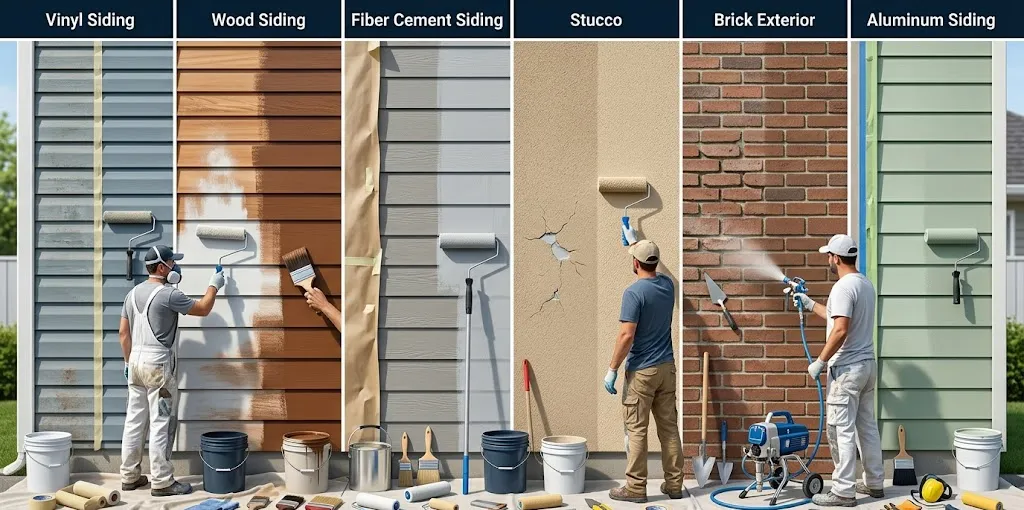
Several details shape your final estimate, but the physical siding material dictates the actual labor hours and paint volume required. The surface complexity of your walls directly affects how much time the crew spends on preparation. Using high-quality paint matters for long-term protection, but the natural porosity of your siding controls how many gallons you actually need to buy. Here is exactly how your specific exterior type changes the total project price.
Vinyl Siding
$1.25 to $3.00 per square foot
Painters generally finish vinyl homes faster than other materials. You still must use a specific vinyl-safe exterior paint. Standard coatings absorb too much heat and will cause the plastic siding panels to warp over time.
Wood Siding
$1.50 to $3.50 per square foot
Wood naturally absorbs more liquid, which directly increases your material expenses. The labor rates also run higher for this material. Painters must perform specialized preparation work like extensive scraping and sanding, before they can apply a single drop of primer.
Fiber Cement
$2.00 to $4.50 per square foot
This siding holds paint extremely well and provides great long-term durability. The preparation phase requires the painter to completely remove and replace all old caulking joints. Painters then apply a liquid masonry primer to stabilize any chalky or friable surfaces and stop future moisture damage. Contractors working on building envelope protection often rely on professional Waterproofing Estimating Services to accurately budget waterproofing membranes, sealants, and moisture protection systems before construction begins.
Stucco
$1.50 to $4.00 per square foot
The surface texture of stucco consumes about 20% more paint than a flat wall. This rough texture makes it harder to achieve a solid finish. Painters must apply multiple coats to guarantee proper coverage across the entire textured surface.
Brick and Stone
$2.00 to $5.00 per square foot
These masonry materials require specialized labor to manage the complex and uneven exterior surface properly. The professional must ensure the final finish looks even across every brick and mortar joint. You also need a dedicated masonry primer to completely seal the porous surface before the topcoat goes on.
Aluminum
$1.50 to $3.50 per square foot
Bare metal siding requires an etching primer to create a strong physical bond for the new paint layers. This specific primer acts as a barrier to provide severe corrosion resistance. Painters also apply rust-inhibiting topcoats to stop any accidental rust spots from ruining the final finish.
Labor Costs to Paint a House Exterior
Labor charges usually run between $1 and $3 per square foot. Most exterior painters charge an hourly rate of $25 to $100. This wide range depends directly on how fast the crew covers the area. Several physical site factors control the painting speed. Preparation work and specific siding materials slow the process down. A taller home requires more safety equipment and reduces site accessibility. Complex architectural finishes and tight working spaces also increase the total hours required to finish the walls.
Material Cost Breakdown and Paint Quantities
Materials generally account for 10% to 15% of your total project budget while labor takes up the remaining 70% to 75%. Understanding how to estimate building materials ensures you buy the exact amount of supplies. A standard gallon of exterior paint covers about 400 square feet. You use this standard metric to calculate your total required gallons. A 2,000-square-foot house would need five gallons of paint per coat.
You should then add a 10% to 15% contingency fund to cover accidental waste or heavy siding absorption. Standard exterior paint costs between $20 and $90 per gallon. A quality exterior primer runs from $25 to $80 per gallon. You also need to budget for extra supplies like caulk and masking tape. You simply calculate your total needed gallons and multiply that number by your local market prices to find your final material cost.
What Factors Affect the Cost of an Exterior Painting Project?
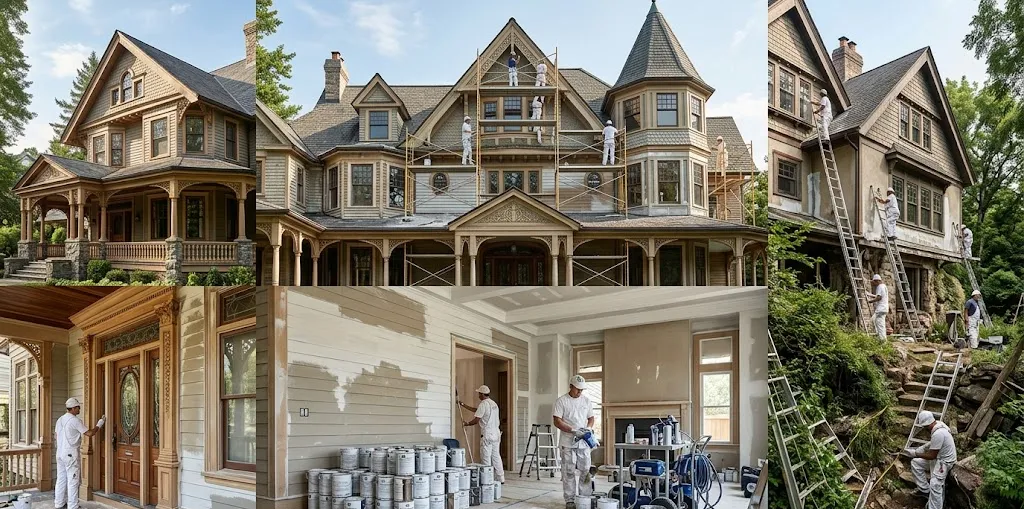
Local labor rates drive the bulk of your exterior painting costs, but your final bill comes down to the physical realities of your house. Contractors calculate your exact estimate based on total square footage, the condition of your walls, and your specific material choices.
Home Size and Height
Every extra square foot of exterior wall directly increases your baseline material and labor budget. A 3,000-square-foot home naturally requires twice the paint and work hours of a 1,500-square-foot house. Multi-story properties also force painters to set up scaffolding and safety gear, which adds expensive setup time to the schedule.
Siding Material
Highly porous surfaces like cedar or raw stucco absorb large amounts of primer and topcoat. This natural absorption forces you to buy more liquid gallons and pay for longer application times compared to flat, easy-to-cover materials like vinyl.
Architectural Complexity
Tasks like custom designing, multiple gables, and intricate trimming require precision.
Contractors must spend extra time taping off these complex details and slowly cutting in the edges by hand, which steadily increases your labor invoice.
Preparation Work
Contractors must fix structural damage, replace rotted wood, and scrape away peeling layers before applying any primer. These mandatory repairs add extra labor hours to the front end of your project.
Paint Quality
Premium exterior coatings and specialized weather-resistant formulas cost more at the supply house than standard baseline paint. Upgrading your materials increases your upfront budget but provides a durable finish that resists fading and chalking over time.
Color Choices
Some specialized colors need a tinted primer to attain a natural coverage strength. Applying these specific shades forces the painter to add three or four extra coats to get an even finish, which drives up both your material usage and labor hours.
Geographic Location and Climate
Your specific zip code dictates the local hourly labor rates and any required city permit fees. High demand during the dry, ideal painting months naturally pushes these rates higher as local contractors completely book up their seasonal schedules.
Site Accessibility
Thick landscaping, tight property lines, or steep hills physically block access to the exterior walls. These site obstacles force painters to move slowly and carefully maneuver their ladders, adding an expensive layer of labor time to your final bill.
Hidden Costs in Exterior Painting Projects
Contractors rarely open a paint can on the first day. Your initial estimate mostly covers standard labor and liquid gallons. Several unexpected expenses exist outside the actual finishing work. Surface preparation and sudden structural repairs quickly inflate your budget. You must also watch out for specialized equipment fees and strict environmental rules. Even sudden weather delays add extra hours to your final bill.
Surface Preparation
The preparation time totally depends on the physical condition of your house walls. Processes like scraping and sanding would increase your labor hours drastically. This mandatory work drives up the project complexity and overall price.
Pressure Washing
Painters must clean the entire house to remove dirt and mildew. This ensures the new primer bonds properly to the siding. This mandatory deep cleaning adds direct labor and equipment fees to your estimate.
Structural Issues
Contractors often uncover hidden wood rot or pest damage once they start scraping. You must pay to repair and replace these damaged exterior sections. A solid foundation is strictly required for the new paint to last. Factoring in these structural repairs is a critical part of knowing how to estimate renovation costs before the actual painting begins.
Equipment Rentals
Multi-story homes require specialized access tools. Renting boom lifts and tall scaffolding adds a direct fee to your invoice. Complex architecture naturally demands more expensive safety gear.
Lead Paint Remediation
Older homes often contain toxic lead paint. You must pay for strict EPA-certified cleanup methods and specialized disposal procedures. This safety requirement significantly increases the total labor cost.
Permits and Fines
Major exterior modifications might require local city permits. Some neighborhoods also require strict HOA color approval. It is better not to ignore these administrative rules, as it could lead to hefty fines
Weather Delays
Paint requires dry conditions to cure and absorb correctly. Sudden rainstorms or high humidity force the painters to stop working. These environmental delays drag out the timeline and add unexpected labor hours.
DIY vs. Hiring Professional Exterior Painters
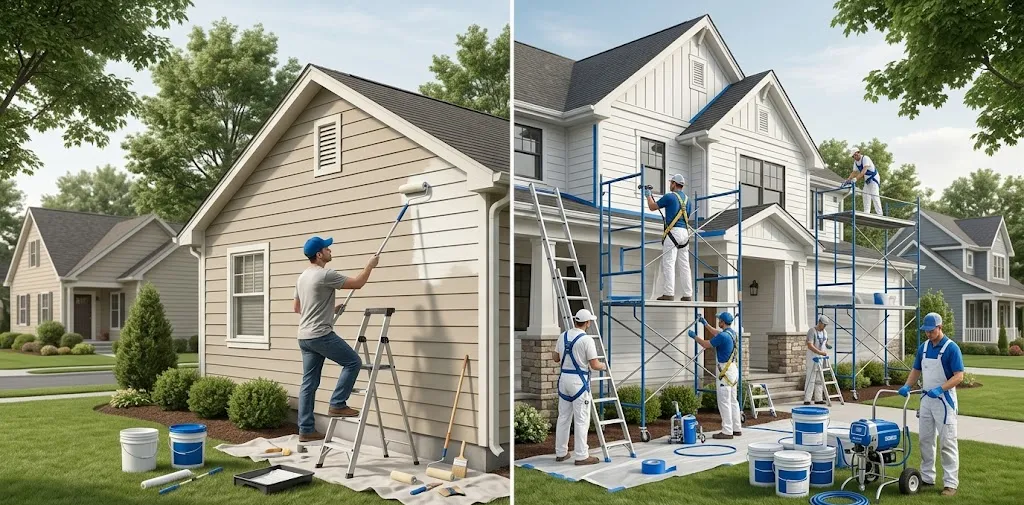
A small, single-story house is a manageable DIY job that saves you labor costs. If you are also budgeting for interior work, comparing Interior House Painting Cost alongside exterior quotes gives you a complete picture of your total painting investment before hiring anyone.You can expect to spend between $800 and $2,500 gathering supplies like rollers, drop cloths, and rented scaffolding or ladders.
Taking on a larger, multi-story home pushes you toward hiring an expert who manages deep surface preparation and physical risks safely. Professional painting companies charge between $3,000 and $8,000 or more based on your total square footage and required panel repairs.
Time and durability also separate these two approaches. A dedicated homeowner might finish a small DIY project in three to four days. A professional contractor completes an average-sized house in about five days while delivering a much longer-lasting finish. DIY jobs often face paint adhesion failures that force you to repaint in just two to four years.
A professional application using high-quality materials easily lasts up to 10 years. Safety remains the final deciding factor for any exterior work. Homeowners often neglect strict safety protocols, which creates high accident risks on ladders. Professional painters carry OSHA-compliant safety training to prevent dangerous falls.
If you have a tight budget and a small home, a DIY approach works perfectly well. A large project scope demands a professional painter to guarantee a safe and highly durable result.
When Is the Best Time to Paint Your House Exterior?
The ideal weather window for exterior painting usually falls between May and June and September and October. These specific months offer the perfect combination of moderate temperatures and low humidity. This stable environment allows the wet paint to absorb and cure properly on the siding.
The absolute sweet spot for application sits right between 50 and 85 degrees Fahrenheit. Summer heat dries the liquid too quickly, while freezing winter air makes the paint completely unusable.
You also need to watch for daily moisture cycles during these prime seasons. Morning dew or cold autumn nights can ruin a freshly painted wall before it fully dries. Direct harsh sunlight also bakes the finish unevenly and leaves visible brush strokes. Regional climates force you to adjust this schedule based on your local weather patterns.
Coastal properties must carefully avoid periods of water fog and thick ocean humidity. Inland areas generally stick to late spring and early fall to secure the dry, predictable conditions required for a flawless finish.
How to Save Your Exterior Painting Costs
You do not have to pay top dollar to get a great finish on your home. You can easily cut down your total project budget by taking on a few simple tasks and making smart material choices.
Manage the Basic Prep Work
Doing simple tasks like site cleaning and basic preparation yourself can help reduce labor costs. Clear out any debris around the house, pull old staples or nails from the siding, and clear the perimeter so the crew can set up their ladders immediately.
Buy Your Materials in Bulk
If you are managing the physical supplies, shop smart at your local hardware stores. Buy all your paint, primer, and supplies at the same time. Purchasing in bulk directly from local manufacturers often gives you access to steep discounts that you will miss if you just buy one gallon at a time.
Get Multiple Contractor Quotes
Ask at least three different painting contractors for a detailed bid. You can use these competing offers to negotiate better rates. Do not be afraid to ask them directly if they offer any seasonal discounts or flexible pricing.
Invest in High-Quality Paint
It sounds backward, but spending more money up front actually saves you cash later. Cheap paint breaks down quickly and forces you to pay for another full paint job in just a few years. High-quality materials cost more at the register but provide a durable finish that easily lasts a decade.
Accurate Paint Takeoffs for Painting Contractors
Outsourcing construction estimating gives you the accuracy of a full department for about 60% less than the cost of an in-house team. Our certified estimators use your project blueprints to calculate the exact gallons required for the job. We apply strict zip code-based pricing to pull the true local labor rates and material costs for your specific market. You get your complete, bid-ready numbers back within 24 to 72 hours.
You gain the accuracy of a full estimating department for about 60% less than the cost of an in-house team. We bring 15 years of direct industry experience to your bids and cover all CSI trades to make sure nothing is missed. We also provide affordable monthly packages that scale directly with your actual bidding volume. Securing reliable construction estimating services ensures you never accidentally underbid a major exterior project again.
Frequently Asked Questions
How much paint do I need for my house exterior?
A standard gallon of exterior paint covers roughly 400 square feet. You simply divide your total paintable square footage by 400 to find your baseline number. For example, a 2,000-square-foot home requires exactly five gallons per coat.
How long should exterior house painting take?
A professional contractor typically finishes an average-sized home in four to five days, assuming the weather stays dry. The first two days usually go entirely toward pressure washing, scraping, and prep work. If you decide to do the job yourself on the weekends, expect the project to drag out for two to three weeks.
Is hiring a professional worth the cost?
Hiring a professional pays off through strict safety and long-term durability. Professional painters carry the right safety gear to manage dangerous ladder work on multi-story homes. They also perform deep surface preparation that helps the new paint last up to 10 years.

Tim C. is a construction estimating expert and Director at ACON Engineering, specializing in construction cost estimating, quantity takeoffs, and preconstruction planning. He has led thousands of successful project bids and helps contractors make informed, profitable decisions.