Plumbing is a huge part of building a new house, and figuring out the actual cost leaves a lot of homeowners confused. Getting clear, accurate pricing early on keeps your project moving smoothly. It ensures you have plenty of room in your budget for the rest of your home, so you can build exactly what you want.
Finding a simple, reliable breakdown of these expenses helps you see exactly where your money goes and keeps your plans on track. Here is a practical, step-by-step look at how to estimate your plumbing costs. We will cover exactly what a new system needs and how you can price it out with total confidence.
What Does Plumbing a New House Involve?
Plumbing a new build is a multi-step process. It requires setting up the water supply. Here is how you estimate the project costs step by step:
- Analyze the blueprints: Do a deep review of your architectural and plumbing plans. You need to see exactly what fixtures are required and how the water lines will function across the entire house. Spotting layout issues on paper prevents expensive fixes on the actual job site.
- Calculate your material costs: Count every single item you need, including the exact feet of PVC or PEX piping, fittings, and valves. Check your suppliers to price these materials based strictly on current local rates.
- Figure out the labor hours: Estimate how long the installation will actually take. For example, if the local labor rate is $50 an hour, and a specific section of work takes 10 hours, you calculate $500 for that piece of the job. Multiply your estimated hours by the local rate for the whole project.
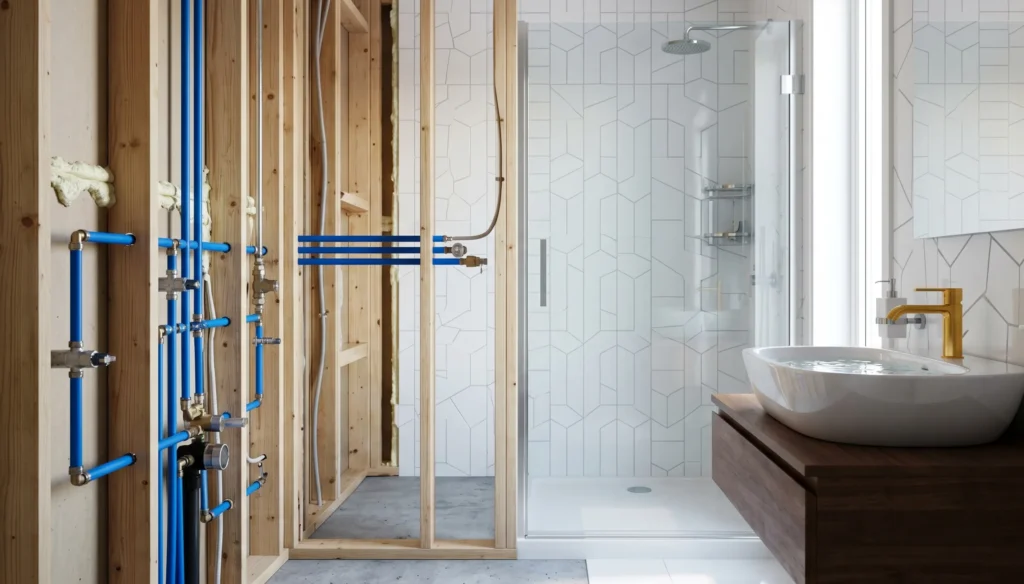
- Split the project into two stages: Separate your budget into the rough-in phase and the finish trim phase. The rough-in covers the heavy, hidden work like routing pipes inside the walls. The trim phase covers installing the visible finishes, like the faucets, sinks, and toilets.
- Include permits and licenses: Every city requires specific building permits and safety inspections before you can legally close the walls. You must check with your local building department to see exactly what they charge for a new residential build and add those mandatory fees directly to your budget.
- Set up a contingency fund: Always add a 15% buffer to your final calculation. This covers unexpected expenses that always pop up during construction, like emergency design changes or sudden spikes in material pricing.
Quick Estimating Methods
Keep in mind that your final price will always fluctuate based on the home size, the total fixture quantity, material quality, and your specific location. If you need a fast preliminary number before doing a deep material takeoff, you can use these two standard methods:
- The per square foot method: This gives you a fast baseline by multiplying the total size of the house by an average rate. For plumbing, this usually falls between $3 and $10 per square foot.
- The per fixture method: This assigns a fixed price for a specific area or drop. For instance, you might budget a flat $5,000 for a complete bathroom setup. This number scales up or down depending on the diversity and quality of the fixtures you choose.
Calculating all these costs by hand takes hours, and a single mistake can cost you a lot, depending on the project. You can save a ton of time and make the whole process much easier by using professional construction estimating services like ACON Engineering.
Their team uses advanced, industry-standard technology like RSMeans and Bluebeam to provide highly accurate, zip-code-based pricing so your estimate matches your exact local market. Their services are affordable, and they deliver the final numbers with a fast 24 to 72-hour turnaround time.
Factors That Impact Your New Construction Plumbing Costs
The final cost of plumbing a new build depends on the house’s physical footprint and the specific materials you use in the walls. While the basic cost centers on total square footage and the number of wet rooms, many builders also use professional Plumbing Estimating Services to evaluate labor costs, material quantities, and local pricing conditions before finalizing the project budget.
Here is a breakdown of what actually changes the numbers on your estimate:
- Bathrooms and fixture count: Every toilet, sink, and shower requires its own supply lines, drains, and vents. If you upgrade from a standard two-bathroom layout to a design with three or four washrooms, the price jumps immediately because of the extra materials and the hours required to install them.
- Home size and structural layout: A massive single-story house needs hundreds of feet of horizontal piping to reach every room. Building a multi-story home forces plumbers to route lines vertically through tight wall spaces and floor joists. The larger and more complex the framing, the more time it takes to run the system.
- Material quality and quantity: The type of pipes you choose creates a huge swing in the budget. Traditional copper piping is highly durable but costs much more than flexible PEX tubing. Beyond the pipes, picking luxury custom fixtures over basic builder-grade materials will also increase your overall cost.
- Labor and expertise: Hiring licensed plumbers with a proven track record costs more upfront, but it ensures the system is designed correctly and passes local codes without expensive rework later.
- System complexity: Standard hot and cold water lines are easy to price. However, if your blueprints include whole-house water filtration systems, radiant floor heating, or specialized water softeners, the installation becomes highly technical and more expensive.
- Site preparation and excavation: Plumbers have to connect your house to the city water and sewer lines. If the property sits far from the street, or if the crew hits rock and hard clay while digging the trenches, the excavation costs will rise quickly due to the heavy equipment required.
- Permits and inspections: Local building departments require paid permits and multiple safety inspections at different phases of the build. These mandatory fees vary by city and state, adding a fixed expense to the overall project budget.
- Project scale and commercial elements: If you are building a massive property or need commercial-grade plumbing setups, the hardware is heavier, the regulations are much stricter, and the installation demands a larger crew, making the entire project more expensive.
Average Plumbing Costs for New Construction
The total price to plumb a new house usually falls between $8,000 and $30,000. On a national average, expect to pay around $4 to $5 per square foot, though high-end builds can push that number closer to $10 per square foot. Because every floor plan is different, breaking the budget down by specific jobs and materials gives you a much clearer picture.
Here is a quick breakdown of standard plumbing costs:
| Plumbing Job or Material | Average Estimated Cost |
| Overall Project Range | $8,000 to $30,000 |
| Cost Per Square Foot | $4 to $10 |
| Whole House Rough-In | $2,000 to $3,000 |
| Per Fixture Installation | $300 to $1,000 |
| Kitchen Sink & Dishwasher Hookups | $500 to $1,200 |
| Laundry Hookups and Drains | $1,000 to $2,000 |
| Toilet Installation | ~ $500 |
| Water Heater Installation | ~ $2,000 |
| Sewer Line Installation | $3,000 to $8,000 |
| PEX Tubing | $0.40 to $2 per foot |
| PVC Pipe | $0.50 to $4 per foot |
| Copper Piping | $2 to $8 per foot |
Pipe Materials
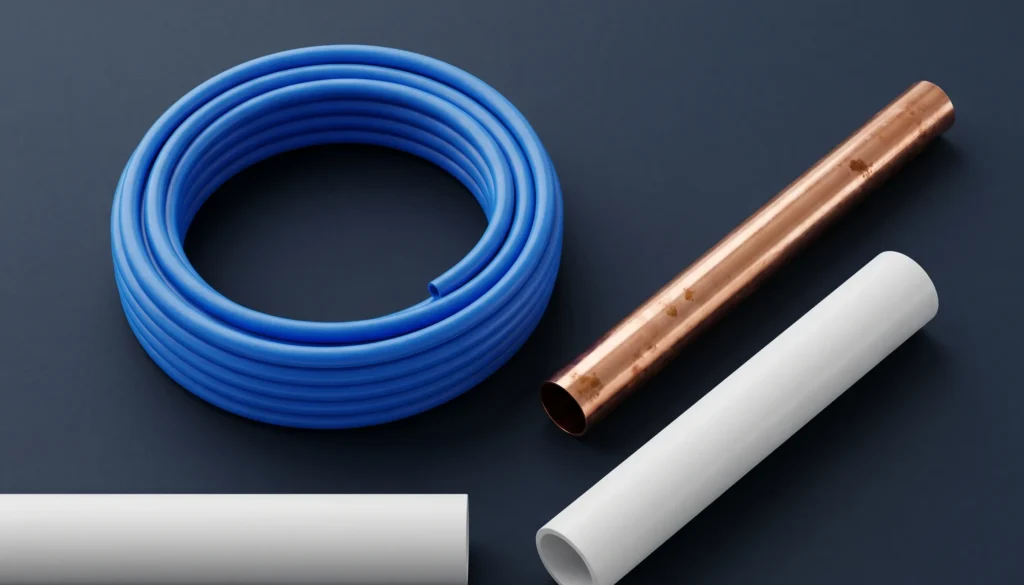
The type of pipe you put inside the walls changes the material budget entirely. Flexible PEX tubing is highly popular because it installs fast and costs between $0.50 and $2 per foot. Standard PVC pipe runs about $0.50 to $3 per foot. If you want traditional copper piping, expect to pay at least $3 per foot, which adds up very quickly on a larger home.
Rooms and Individual Fixtures
Bathrooms take up the biggest portion of your plumbing budget. Every extra bathroom you add to the floor plan will cost another $10,000 to $20,000. Basic kitchen plumbing, like running the lines for a sink and a dishwasher, will run a few hundred dollars. Adding a dedicated laundry room with hot water and drain hookups costs around $1,000.
For individual drops, installing a single fixture costs between $300 and $1,000. A standard toilet installation costs around $500, while dropping in a new water heater costs roughly $2,000.
Underground Work and Regional Differences
Running the main lines outside is a major expense. Installing a complete sewer line from the house out to the city connection ranges from $3,000 to $8,000, depending on the distance.
Keep in mind that your exact location changes these numbers. If you build in a region with a lower cost of living, your labor rates will drop significantly. Climate also plays a major role. Homes built in areas with freezing winters require much deeper trenches and extra pipe insulation, which takes more time and money to install.
How to Save Money on Plumbing Costs
You can lower your plumbing bill by keeping your home’s layout simple, choosing modern, cost-effective materials like PEX, and planning every detail before construction starts. Making smart choices early on prevents expensive changes later.
Here is exactly how you can cut your costs:
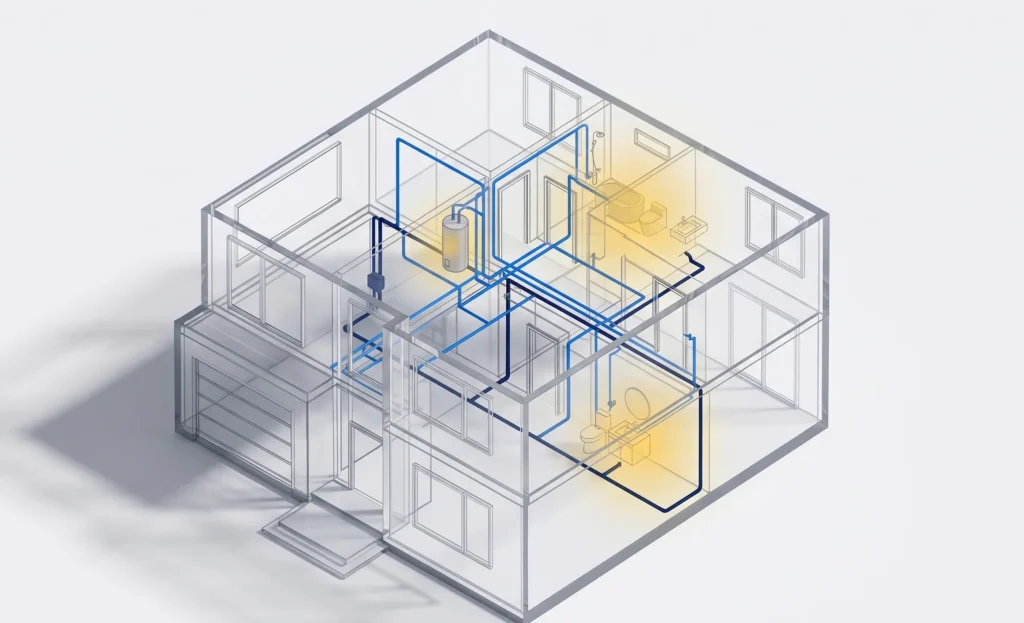
- Stick to standard layouts: You do not need to reinvent the wheel. Grouping bathrooms back-to-back or stacking them directly above each other in a two-story house drastically reduces the amount of pipe you need. Keeping the layout simple and centralized saves a massive amount of labor and material.
- Limit the expensive extras: Custom body sprays, multiple showerheads, and luxury wet rooms look great, but they quickly double your installation costs. Sticking to standard, reliable fixtures will keep your budget tight.
- Use PEX piping instead of copper: Choosing PEX over traditional copper piping is one of the easiest ways to save money. PEX is much cheaper, installs a lot faster, and expands instead of bursting during freezing conditions.
- Shop at supply houses and buy in bulk: Skip the big box retail stores where you pay heavy markups. Go directly to local plumbing supply houses. If you buy all your fixtures and materials at once in bulk, you can usually negotiate a solid discount.
- Get multiple quotes: Never just accept the first bid you receive. Compare pricing from a few local plumbers. Be polite, ask questions, and negotiate nicely to see if there is any flexibility in their pricing.
- Hire a true professional: It may sound illogical to pay a higher hourly rate to save money, but hiring a licensed expert can save you a lot of money in the long run. An amateur will make mistakes that cost thousands of dollars to fix later. A pro gets it done right the first time and provides a solid warranty on their work.
- Insulate your pipes: Spending a little extra on pipe insulation during the rough-in phase prevents massive repair bills from frozen or burst pipes during the winter.
- Handle the simple fixes yourself: Once the house is built, you do not need to call a plumber for everything. Doing regular maintenance, catching leaks early, and learning to install a basic showerhead or fix a minor sink drip yourself will save you many costly service calls over the years.
Final Thoughts
Figuring out the total cost to build a house takes a lot of work, and the plumbing budget often causes the biggest headaches. When you calculate the exact material and labor costs early, you protect your bank account from sudden surprises. Knowing your numbers upfront allows you to adjust your layout or pick different fixtures before the crew ever starts digging.
If you feel stuck, wondering how much it costs to plumb a new house. An affordable professional estimating team like ACON Engineering can help. They review your floor plans and provide a highly accurate, zip-code-based breakdown of your exact costs. This clear pricing helps you manage your money and keeps your entire build right on track.
Frequently Asked Questions (FAQs)
What is the difference between rough-in and finish plumbing?
Plumbers handle the rough-in phase right after the carpenters finish framing the house. They route all the hidden water pipes and drain lines inside the walls and floors. Finish plumbing happens at the end of the build. The plumbers return to connect the visible items you use every day, like toilets, sinks, and showerheads.
How can I tell if my home’s plumbing needs fixing?
You likely have an issue if you notice a drop in water pressure, slow drains, or wet spots on your ceilings. Other clear warning signs include rusty tap water, bad smells coming from your sink, or a sudden spike in your monthly water bill.
How do different seasons affect the prices of plumbing materials?
Suppliers usually raise their prices during the spring and summer because builders buy materials all at once. Heavy winter storms also impact the market. When cold weather hits a region, everyone rushes to buy pipe insulation and repair parts, which directly drives up the cost of those items.

Tim C. is a construction estimating expert and Director at ACON Engineering, specializing in construction cost estimating, quantity takeoffs, and preconstruction planning. He has led thousands of successful project bids and helps contractors make informed, profitable decisions.