On average, residential fireproofing costs between $2 and $12 per square foot, while commercial projects typically range from $5 to $30 or more per square foot. These rates fluctuate based on the specific material used, the required fire resistance rating, and the complexity of the building structure.
In 2024, a fire department responded to a fire somewhere in the U.S. every 23 seconds. According to the National Fire Protection Association (NFPA), these incidents caused an estimated 3,920 civilian deaths and more than 11,000 injuries. A building fire escalates rapidly, and the structural integrity of the property dictates whether occupants have enough time to escape safely.
Fireproofing directly addresses this risk. It adds upfront construction costs, but it prevents total building collapse and limits severe property damage. If you are budgeting a new commercial build or retrofitting a residential home, understanding the true cost of fire protection helps you make accurate financial decisions.
What is Fireproofing?
Fireproof insulation is a specialized material applied to the structural framework of a building to protect it from extreme heat. It acts as a thermal barrier between the raw building components and the active flames. When a fire breaks out, intense temperatures quickly weaken bare steel beams and wood studs, which leads to rapid structural failure.
Applying these materials does not completely extinguish or stop a fire. Instead, it serves as passive fire protection. The insulation resists the flames and significantly slows down the heat transfer into the core structure. This delay gives building occupants crucial time to evacuate and allows emergency responders to control the blaze before the roof or floors collapse.
Contractors measure the effectiveness of these applications through a strict fire resistance rating. This rating indicates exactly how many hours a specific structural element can withstand direct flames before failing. Achieving high ignition resistance requires matching the right type of fireproofing to the specific building materials and local safety codes.
Types of Fireproofing
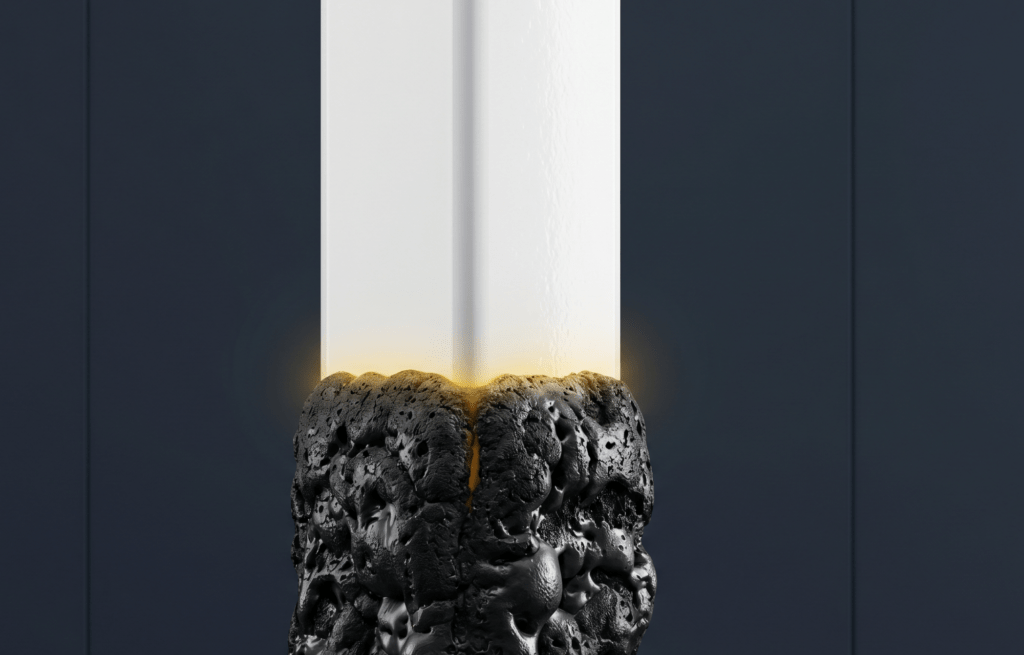
Passive fire protection relies on specific materials to delay structural failure. These methods do not rely on water or mechanical triggers; they simply sit as a permanent barrier on the building framework. Here are the primary fireproofing systems used to protect commercial and residential structures.
Spray-Applied Fire-Resistive Materials (SFRM)
Crews spray these specialized coatings directly onto steel beams, columns, and metal decking. The mixture usually contains mineral wool, quartz, perlite, or vermiculite. You can apply SFRM using either wet or dry spray methods. This material creates a thick, insulating layer that keeps steel from reaching its critical failure temperature during a blaze.
Intumescent Coatings (IFRM)
These coatings look like standard paint when first applied with a brush, roller, or spray. However, when exposed to extreme heat, the material swells up to 100 times its original thickness. This expansion forms a charred, foam-like layer that insulates the steel. Architects often choose intumescent paint for exposed steel because it h maintains the building’s aesthetic.
Rigid Board Fireproofing
These inorganic mineral wool or cement-based panels bolt or clip directly to structural steel. Rigid boards provide up to four hours of protection and stay effective even after a fire. Since the installation is dry, contractors often use this method in cold weather where water-based sprays would freeze. These boards also offer better moisture resistance and acoustic benefits than wet-applied systems.
Cementitious Coatings
This method uses a mixture of Portland cement, sand, and organic binders. It creates a hard, durable surface that bonds strongly to the substrate. Beyond fire resistance, cementitious coatings act as a waterproof barrier. They are easy to apply with rollers or brushes and can withstand physical impact better than softer spray-on materials.
Concrete Encasement
For underground utilities like pipes and cables, contractors often use concrete encasement. A thick layer of concrete, usually at least two inches, surrounds the utility line to provide structural support and a heat shield. This “jacket” increases the durability of water pipes and electrical lines under buildings or heavy construction areas.
Fire-Resistive Boards
These panels protect specific sections of a building for 30 minutes to two hours. Common options include Type X gypsum, magnesium oxide (MgO), and calcium silicate boards. They are designed to seal off steel components and prevent heat transfer through walls or ceilings.
Types of Fireproof Insulation
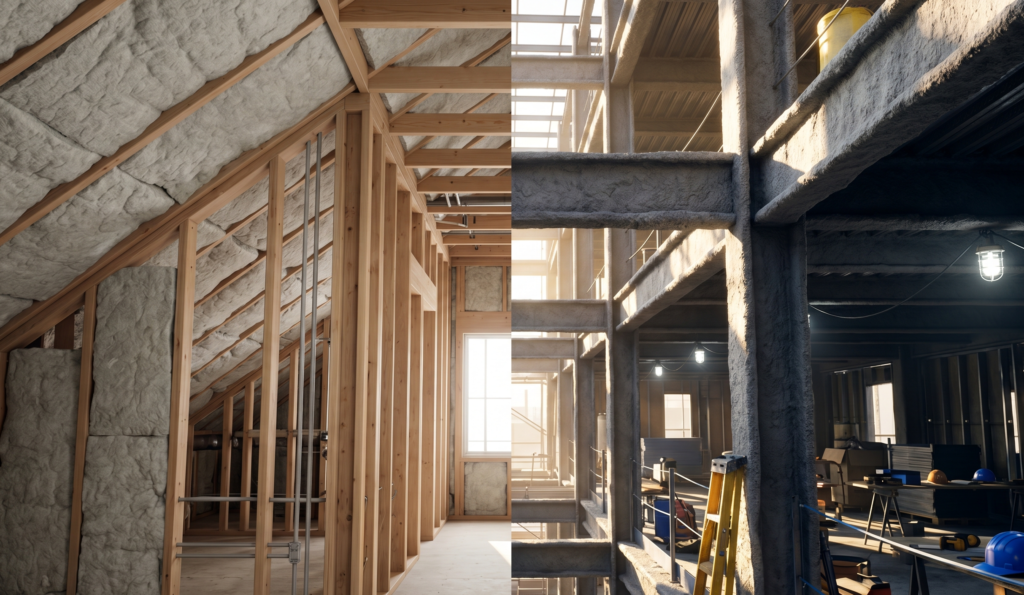
Fireproof insulation is a specialized building material designed to resist extreme temperatures and block flames from spreading through structural gaps. Different materials offer varying levels of heat resistance and efficiency for residential and industrial applications.
Mineral Wool
Made from molten rock and steel slag, mineral wool is a top-tier fireproofing material. It can survive temperatures up to 1,800°F without melting. It does not conduct heat well, making it a primary choice for high-risk zones in both homes and commercial buildings.
Fiberglass
Fiberglass consists of spun glass fibers that are naturally non-combustible. While it melts at lower temperatures than mineral wool, it will not catch fire or spread flames. It remains a standard, cost-effective option for basic fire protection in residential walls.
Cellulose
Cellulose comes from recycled newspaper treated with fire-retardant chemicals. It is less resistant than mineral wool but still performs well as a barrier. While the base material is combustible, the chemical treatment helps it resist ignition and slow down fire spread.
Ceramic Fiber Blanket
For extreme industrial heat, ceramic fiber blankets offer protection up to 2,400°F. This material is common in forges and high-heat manufacturing plants. It is lightweight and handles thermal shock better than most other insulation types.
Reflective Insulation
Instead of absorbing heat, reflective insulation uses metallic surfaces to bounce radiant heat away. It prevents heat buildup in attics and crawl spaces, which helps stop a fire from jumping between different parts of a structure.
Calcium Silicate
This durable material manages extreme temperatures in industrial settings. It is often used on high-temperature piping and equipment because it maintains its shape and strength even under constant heat stress.
How to Estimate Fireproofing Cost
Accurate estimation begins with calculating the total surface area of the structural elements that require protection. You must measure the exact dimensions of every column, beam, and metal deck section. These measurements determine the total volume of material needed to meet local safety requirements.
After measuring the area, check your local building codes to identify the required fire resistance rating for the specific occupancy type. You then match these requirements to UL design numbers, which dictate the exact thickness of the material needed to achieve that rating. Professional Fireproofing Estimating Services help contractors quantify these material requirements accurately before procurement and bid submission.
Once you have the thickness and surface area, calculate the material volume and include a 10% to 15% contingency for waste. Calculating these exact variables manually leaves room for costly errors. Partnering with a professional estimating firm like ACON Engineering ensures you get precise material takeoffs and labor calculations based on your specific blueprints.
Cost of Residential Fireproofing
Residential fireproofing costs vary based on whether you are applying specialized coatings to structural steel or installing fire-resistant materials across a home exterior. Generally, these treatments cost between $2 and $12 per square foot, depending on the specific materials, application methods, and local labor rates. A complete retrofitting project for a home in a high-risk wildfire zone can range from $40,000 to $100,000, while smaller interior upgrades often fall between $2,000 and $15,000. Mountain and foothill counties in Colorado carry wildfire requirements that change both the material spec and the final number, and our Colorado estimating services price those requirements into the takeoff. Factoring these specific safety upgrades into how to estimate renovation costs keeps your overall remodeling budget realistic and prevents unexpected financial shortfalls.
Commercial Fireproofing Costs
Commercial fireproofing typically costs between $5 and $30 or more per square foot. This higher price directly reflects the complexity of large-scale structures and the strict building codes that govern them. Instead of treating standard residential roof decks or wood siding, commercial contractors must protect heavy steel beams and complex metal frameworks. These projects also require coordinated budgeting for active fire protection systems, which is why many contractors use professional Fire Suppression Estimating Services alongside passive fireproofing estimates during preconstruction.
These heavy-duty applications require thicker fire-resistant materials, specialized equipment, and intensive labor. Furthermore, commercial building regulations demand much higher fire resistance ratings to protect high-occupancy spaces, which drives up the final project budget.
Fireproofing Method Costs
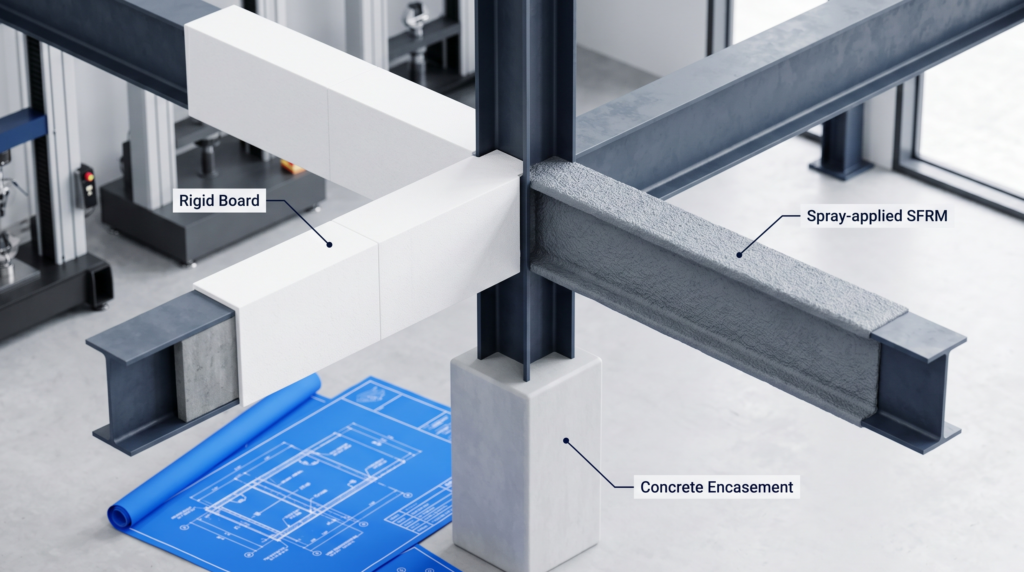
The following table breaks down the primary methods used to protect structural elements. The cost of spray fireproofing and intumescent paint depends heavily on the required hourly rating and the complexity of the steel surface.
| Fireproofing Method | Estimated Cost (Per Sq. Ft.) | Key Cost Drivers |
| Cementitious Coating | $2 – $14 | Low material cost; rapid spray application. |
| Rigid Board Fireproofing | $1.50 – $5 | Board thickness; specialized mechanical fasteners. |
| SFRM (Spray-Applied) | $5 – $14 | Density requirements; medium vs. high density needs. |
| Concrete Encasement | $10 – $20 | Formwork labor; volume of concrete required. |
| Intumescent Paint (IFRM) | $2 – $14 | Number of coats; water-based vs. epoxy material. |
| Fire-Rated Drywall | $0.50 – $0.75 | 30% more expensive than standard interior panels. |
| Fiber Cement Siding | $5 – $14 | Durable exterior protection; cheaper than high-end wood. |
Fireproof Insulation Costs
Fireproof insulation provides a specialized barrier within walls and attics to contain heat and block flame spread. These materials are priced by the square foot and vary based on their thermal resistance and composition.
| Insulation Material | Estimated Cost (Per Sq. Ft.) | Fire Resistance Level |
| Fiberglass Batts | $0.30 – $1.50 | Standard residential protection |
| Fire-Rated Batts | $0.50 – $2.00 | Enhanced resistance for interior wall cavities |
| Treated Cellulose | $0.50 – $2.40 | Recycled paper treated with fire retardants |
| Mineral Wool | $1.00 – $3.00 | High-tier protection; withstands up to 1,800°F |
| Fire-Resistant Foam | $1.50 – $3.50 | Expands to seal gaps; high ignition resistance |
Total project expenses fluctuate based on local labor rates and the scope of surface preparation. For example, epoxy-based intumescent coatings cost between $110 and $150 per gallon, making them a premium choice compared to water-based options at $75 per gallon. Selecting fire-resistant fiber cement siding for a home exterior can save approximately $12,000 compared to high-end wood siding while significantly reducing wildfire risk.
Factors Influencing Fireproofing Cost
The cost of fireproofing is primarily determined by the material type, the required fire resistance rating, and the structural complexity of the building. While contractors generally provide a base price per square foot, the final invoice reflects the specific labor and material demands of the project site. Factors like accessibility and surface preparation often cause the price to shift away from standard averages.
- Fire Resistance Rating: Building codes specify how many hours a structure must withstand heat. A higher rating requires more material thickness and additional application passes, which increases both product consumption and labor hours.
- Material Selection: Choosing between low-cost cementitious sprays and premium intumescent paints creates a significant price gap. Specialized epoxy-based materials cost more than water-based alternatives but offer better durability in harsh environments.
- Installation Accessibility: Labor rates rise when crews work on high ceilings, tight crawl spaces, or complex steel frameworks. If the project requires specialized lifts or scaffolding to reach the substrate, the man-hours per square foot will increase.
- Surface Preparation: Fireproofing requires a clean, primed surface to bond correctly. Costs go up if the steel or wood needs abrasive blasting, rust removal, or specific primers before the insulation can be applied.
- Project Location: Local labor rates in metropolitan areas are typically higher than in rural regions. Additionally, shipping heavy fireproofing materials to remote sites adds to the overall logistical expense.
- Occupancy Type: Buildings like hospitals and schools follow strict International Building Code (IBC) guidelines. Meeting these high-compliance standards involves more rigorous application and oversight.
Hidden Additional Costs in Fireproof Insulation
Hidden costs in fireproofing typically include surface preparation, specialized equipment rentals, and third-party compliance inspections, which often add 10% to 15% to the base project estimate. These expenses cover the logistical and regulatory requirements that fall outside of the standard material and labor quote.
- Specialized Equipment Rentals: Base quotes often exclude the price of high-pressure spray rigs, specialized lifts, or scaffolding. These daily or weekly rental fees accumulate quickly if the building has high exterior or interior elevations.
- Substrate Repair and Adhesion Testing: Professional crews perform adhesion tests to verify the material bonds to the steel or wood. If the test fails, repairing the substrate or applying a different bonding agent becomes a necessary extra expense.
- Material Waste and Overspray: Spray-applied fireproofing naturally results in some material loss. Wind on exterior sites or complex structural shapes increase “overspray,” meaning you pay for material that lands on the floor or surrounding surfaces instead of the target area.
- Thermal Barrier Coatings and Topcoats: Some fireproofing materials need an extra sealant to protect against moisture or meet aesthetic needs. These top layers involve separate material and labor charges.
- Site Cleanup and Waste Disposal: Applying fireproofing is a messy process. Most base estimates do not include the extensive labor required to clean up overspray or dispose of empty material containers and heavy debris.
- Post-Installation Inspections: Third-party inspections and UL certification testing are mandatory for many building codes. These fees are usually paid directly by the owner or contractor and are rarely included in the installer’s initial price.
General contractors and owners must account for these secondary costs to avoid budget overruns. Relying on ACON Engineering for your bid preparation brings these hidden expenses to the surface before you submit your final proposal.
Benefits of Fireproofing
Upgrading a property with fire-resistant materials directly increases life safety, prevents total structural loss, and frequently lowers annual insurance premiums. Whether applied to a commercial high-rise or a single-family house, passive fire protection delivers measurable long-term value.
- Life Safety and Evacuation: The primary purpose of fireproofing is buying time. Fire-resistant drywall and durable roof underlayment slow the spread of flames, giving occupants crucial minutes to evacuate safely.
- Reduced Property Loss: Passive fire protection stops heat from compromising the core framework. By preventing structural collapse, owners face localized, repairable damage rather than a complete property rebuild.
- Lower Insurance Costs: Insurance providers calculate policy rates based on risk. Properties that undergo proper wildfire retrofitting or feature non-combustible exterior treatments often qualify for significant discounts on annual premiums.
- Increased Property Value: Real estate markets reward safety. Homes built or upgraded with fire-safe features carry higher market valuations, especially in regions prone to heavy wildfire activity.
- Energy Efficiency: Many fireproofing materials, such as heavy mineral wool, double as high-grade thermal insulators. This dense barrier blocks heat transfer and actively lowers monthly heating and cooling costs.
- Community Resilience: Fire-resistant homes act as a physical buffer. When a neighborhood block uses fire-safe siding and roofing, it reduces the overall fuel for the fire, which helps emergency crews contain the blaze faster.
Average Fireproofing Cost by Project Type
Commercial fireproofing generally costs between $5 and $30 per square foot, while residential applications range from $2 to $12 per square foot. The final budget always depends on the specific project scale, the complexity of the structure, and the required fire ratings.
- Standard Commercial Buildings: Retail spaces and low-rise office buildings typically cost between $3 and $7 per square foot.
- High-Rise Construction: Protecting multi-story developments costs between $8 and $16 per square foot. Building height drives up equipment rental costs and requires high-density materials to meet strict municipal codes.
- Industrial and Aviation: Heavy-duty facilities like warehouses, manufacturing plants, and airplane hangars cost between $12 and $22 per square foot.
- Exposed Steel Architecture: Modern buildings that leave structural framework visible rely on intumescent paint. This aesthetic fireproofing starts around $7 per square foot and scales up based on the necessary thickness.
- Residential Homes: Standard interior fire-resistant applications for single-family residential homes usually run between $2,000 and $2,500 total.
Across all these categories, the total price fluctuates based on material density, site accessibility, and local building codes. ACON Engineering applies exact zip-code-based pricing to these variables so your commercial or residential bids remain highly competitive and profitable.
Common ASTM Fireproofing Standards and Tests
Organizations like Underwriters Laboratories (UL) use standardized testing methods to evaluate how building materials resist heat, limit surface burning, and prevent structural failure. Passing these tests provides the legal baseline for occupancy.
ASTM E119: This is the primary standard for fire tests on building construction and materials. It measures exactly how long structural assemblies can withstand direct fire while maintaining their load-bearing integrity. The test uses a specific time-temperature curve to verify that the unexposed side of the structure stays below 250°F.
ASTM E814: This test targets penetration firestop systems. It evaluates the effectiveness of sealants and putties used to block openings around pipes and cables in fire-rated walls or floors.
ASTM E84: This method tests the surface burning characteristics of building materials. It measures both flame spread and smoke development along interior finishes, which is a critical metric for achieving a zero fire rating on specific interior surfaces.
ASTM E136: This standard assesses the raw combustibility of building materials using a vertical tube furnace. Technicians expose the material to temperatures approaching 1,400°F to see if it ignites or contributes fuel to a fire.
ASTM E1725: This test evaluates fire-resistive barrier systems built for electrical components. It checks how well protective jackets shield critical wiring and keep emergency power systems operational during a fire.
ASTM E108: This method tests the fire performance of roof coverings. It checks how well exterior roofing materials resist fire originating from outside sources, such as nearby buildings or wildfires.
Building Code Requirements for Fireproofing
The International Building Code (IBC) and specific NFPA regulations establish strict mandates for passive fire protection. Depending on the occupancy classification and the physical size of the structure, local authority requirements typically demand a fire resistance rating between one and four hours.
For high-rise commercial buildings, contractors must apply approved steel protection systems to columns and beams to maintain total structural integrity under extreme heat. These codes also mandate that vertical shafts and floor assemblies maintain a minimum one to two-hour resistance to actively slow the upward spread of flames and smoke, giving occupants critical time to evacuate.
In combustible construction, such as wood-frame residential buildings, builders must install precise fire blocking within concealed spaces to stop fire from moving through the walls. Furthermore, any mechanical or electrical penetrations through these fire-rated barriers must be completely sealed with approved firestopping systems.
During final site inspections, officials physically verify that material thicknesses and temperature limits match the exact ASTM design configurations required for that specific property.
The Complete Fireproofing Installation Process
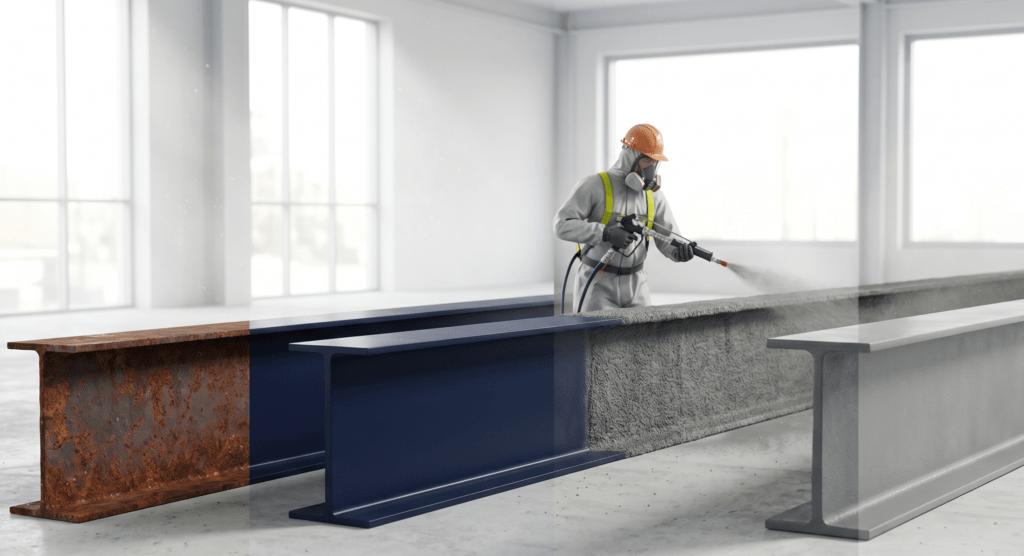
The fireproofing installation process requires strict substrate preparation, exact material application, a mandatory 24-hour curing phase, and rigorous third-party testing to secure code compliance. Professional contractors execute this workflow in four distinct phases to meet precise structural safety standards.
Pre-Application and Preparation
Contractors first verify the specific ASTM or UL design numbers to dictate the necessary material thickness and hourly fire rating. Crews then aggressively clean the structural steel or wood to remove rust, oil, and loose debris. They establish a controlled environment, maintaining specific temperature limits for at least 24 hours prior to application so the primer and fireproofing bond correctly.
The Application Process
Installers apply the protective coatings using specialized wet or dry spray methods. When working with materials like SFRM or intumescent paint, crews use high-pressure pumps and hoses to coat the beams and columns. Throughout the spraying phase, technicians continuously use wet-film thickness gauges to verify they hit the exact depth required by the approved design.
Curing and Finishing
The applied material must sit undisturbed for a standard 24-hour curing period to reach its full physical strength. Once the coating dries, crews walk the site to perform localized patching. They manually fill in any damaged areas, thin spots, or gaps caused by other active trades or pest interference.
Inspection and Quality Control
Independent third-party inspectors conduct the final compliance review. They test the physical bond strength, measure the dry material density, and verify that the final application thickness exactly matches the mandated ASTM requirements. Passing this physical inspection legally clears the building for safe occupancy.
Fireproofing Maintenance and Lifecycle Costs
Maintaining fireproof insulation requires routine visual inspections and immediate localized patching to stop moisture damage and structural corrosion from compromising the protective barrier. The financial commitment to passive fire protection extends beyond the initial contractor invoice.
Building managers must schedule regular structural reviews to identify physical impact damage, roof leaks, or dangerous signs of corrosion under fireproofing (CUF). When inspectors flag a compromised section, repair crews perform targeted patching and recoating to restore the original fire rating.
Catching these small issues early keeps long-term lifecycle costs low. Conversely, ignoring minor material degradation leads directly to total adhesion failure and thermal breaching, which eventually forces property owners to pay for massive, highly disruptive code violation repairs.
Common Fireproofing Mistakes to Avoid
Fireproofing failures happen when crews ignore environmental application limits, apply an inadequate volume of material, or neglect long-term maintenance. Making these specific errors leads directly to severe code violations, failed inspections, and compromised building safety.
- Applying in Poor Conditions: Fireproofing materials require a strict, controlled environment to bond correctly. Spraying coatings in freezing temperatures or high humidity prevents the primer and material from setting. This causes immediate adhesion failure and forces crews to scrape the steel and reapply the entire layer.
- Insufficient Material Thickness: Every steel beam and wood column requires an exact material depth to pass local safety codes. Applying too thin a layer creates weak spots that lead to rapid thermal breaching during an active fire. Inspectors catch these thin applications with depth gauges and mandate a costly recoating process.
- Mixing Different Brands: Contractors sometimes try to cut costs by combining leftover materials from different manufacturers on the same job site. This chemical mismatch immediately voids product warranties, alters the curing process, and ruins the official fire resistance rating.
- DIY Risks and Improper Installation: Passive fire protection requires professional training. Relying on uncertified labor or attempting a DIY application leads to improper installation that fails strict UL and ASTM testing standards. Local authorities will quickly issue code violations and force the owner to hire a certified professional to redo the work.
- Neglecting Maintenance: Fireproofing is not a permanent, zero-maintenance shield. Building owners who ignore routine inspections miss the early signs of physical damage, water leaks, or pest interference. Skipping basic patching allows minor wear to escalate into massive, expensive adhesion failures across the structural framework.
Get Accurate Fireproofing Estimates with ACON Engineering
Fireproofing requires exact material counts and a strict adherence to local building codes. Miscalculating the required coating thickness or ignoring surface preparation costs leads directly to lost profit. ACON Engineering provides highly accurate outsource Construction Estimating Services for general contractors, developers, and specialized fireproofing installers nationwide.
Our certified estimators read your complex structural blueprints to extract precise quantity takeoffs. We calculate the exact volumes needed for spray-applied materials, intumescent paints, rigid boards, and specialized insulation. We then apply exact zip-code-based pricing to account for your local labor rates and specific material requirements.
You receive a complete, ready-to-submit bid package that protects your margins, accounts for hidden site costs, and serves as a proven foundation for how to win construction bids against your competitors.
Frequently Asked Questions (FAQs)
Do local building codes dictate the type of fireproof insulation required?
Yes. The International Building Code (IBC) and municipal regulations establish strict fire resistance ratings based on building height and occupancy type. These safety codes determine the exact material thickness and specific testing standards that your contractor must meet to legally clear the structure for use.
Why does commercial fireproofing cost more per square foot than residential applications?
Commercial projects protect structural steel and high-occupancy spaces rather than standard wood framing. Achieving the mandated one-to-four-hour fire resistance ratings for these large buildings demands thicker material applications, specialized high-pressure spray equipment, and significantly more labor hours.
Will installing fireproof insulation lower my property insurance premiums?
Yes. Insurance providers calculate policy rates based directly on structural risk. Upgrading your building with fire-resistant materials reduces the likelihood of a total structural collapse. This proactive approach to passive fire protection frequently qualifies owners for notable discounts on annual insurance policies.

Tim C. is a construction estimating expert and Director at ACON Engineering, specializing in construction cost estimating, quantity takeoffs, and preconstruction planning. He has led thousands of successful project bids and helps contractors make informed, profitable decisions.