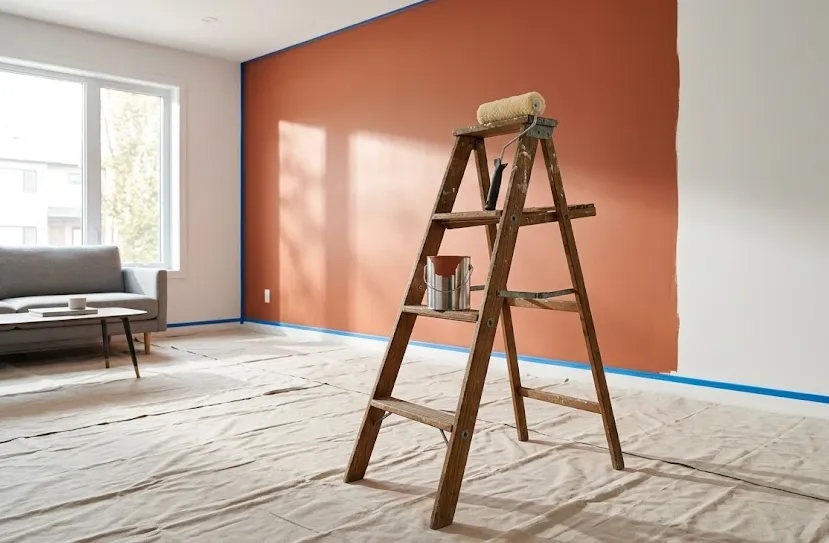
The cost to paint the interior of a house generally sits between $2 and $6 per square foot. Your exact price will depend on the individual room sizes, the total house size, and the overall project scope. Larger properties naturally require more paint and longer work hours, which pushes the final bill higher. Labor costs and the specific scope of the work act as the main factors that drive your final estimate up or down.
Average Interior House Painting Costs
You can expect to pay anywhere from $2,000 to $15,000+ for a complete interior painting project. This wide range comes back to that baseline rate of $2 to $6 per square foot. Your specific quote depends directly on your total square footage, the different surfaces being painted, and the individual room sizes. Every extra wall adds more required labor hours to the job. The complete project scope and any specialized equipment needed for tall ceilings or tight spaces will also significantly increase or decrease your final cost.
Interior Painting Cost by Square Footage
The total size of your home plays the biggest role in your final painting estimate. A larger floor plan naturally requires more paint and longer work hours. You must also remember that the actual paintable area goes well beyond standard floor measurements. Ceilings, window trims, interior doors, and cabinets add a surprising amount of surface space to a single room. All of this extra coverage directly increases your total bill.
Use the figures below to get a rough idea of your project budget based on common house sizes.
| Home Size | Average Cost Range |
| 1,000 sq. ft. | $2,000 – $6,000 |
| 1,500 sq. ft. | $3,000 – $9,000 |
| 1,800 sq. ft. | $3,500 – $10,000 |
| 2,000 sq. ft. | $4,500 – $12,000 |
| 2,500 sq. ft. | $5,500 – $15,000 |
| 3,000 sq. ft. | $7,500 – $18,000 |
Interior Painting Cost by Room Type
The specific function of a room changes the final price just as much as its physical size. A standard bedroom provides large, flat walls that are easy to cover. A kitchen usually has less actual wall space, but painters must spend hours trimming in around cabinets and appliances. These variations in preparation work, required coats, and surface complexity shift the required labor hours and material costs for every room.
- Bedroom ($300 – $700): Standard bedrooms feature simple, straightforward surfaces. The lack of complex obstacles keeps labor hours low, though larger primary suites will push toward the higher end of the estimate.
- Living Room ($600 – $2,000): These spaces need more paint due to their large size. Features like intricate molding, large open windows, and tall walls require professional precision, which increases the labor cost.
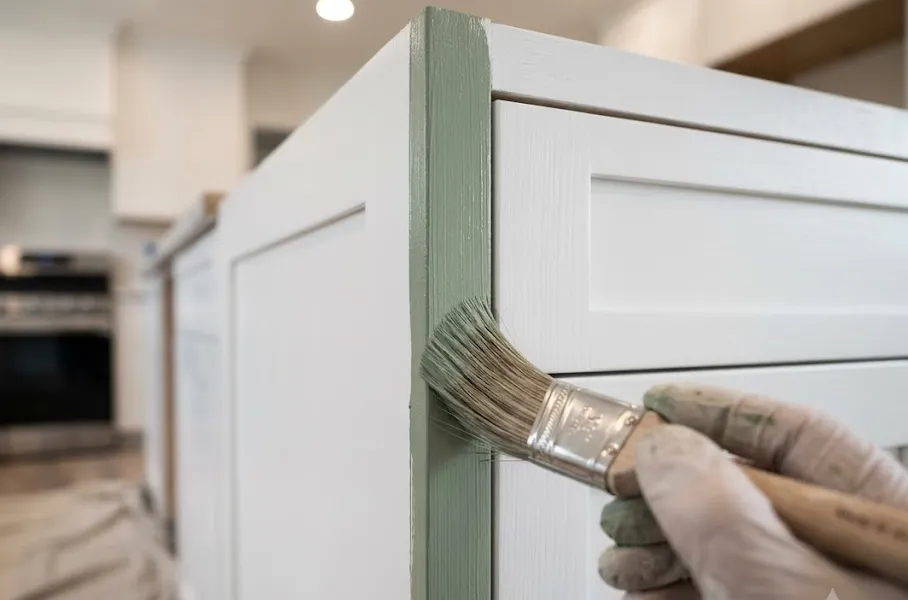
- Kitchen ($400 – $1,200): Kitchens demand heavy preparation. The complex surface area requires detailed cutting and trimming around upper cabinets and tile backsplashes.
- Bathroom ($150 – $450): Bathrooms would also require careful prep work in tight spaces. And if you plan to buy a specialized moisture-resistant paint, this would naturally increase the cost.
- Dining Room ($300 – $1,000): The total price relies on the overall surface area and any decorative trim work like wainscoting or chair rails.
- Entry and Hallways (Up to $1,500): High ceilings and tall stairwells make these areas difficult to reach. Any custom design work, like exposed brick or specialty textures, adds complexity and increases the final labor bill.
Interior Painting Cost by Surface
Different surfaces demand different levels of preparation and precision. Painting standard drywall can be done quickly, while detailed brushwork on wood trim or doors may need serious kind of work. The physical material also matters. Highly porous surfaces absorb more paint, immediately increasing your material needs and labor time.
- Standard Walls: $1 – $2 per square foot
- Accent Walls: $2 – $6 per square foot
- Standard Ceilings: $1 – $3 per square foot
- Textured Ceilings: $2 – $4 per square foot
- Trim and Baseboards: $1 – $3 per square foot
- Interior Doors: $60 – $70 per door
Interior Painting Cost by Paint Type
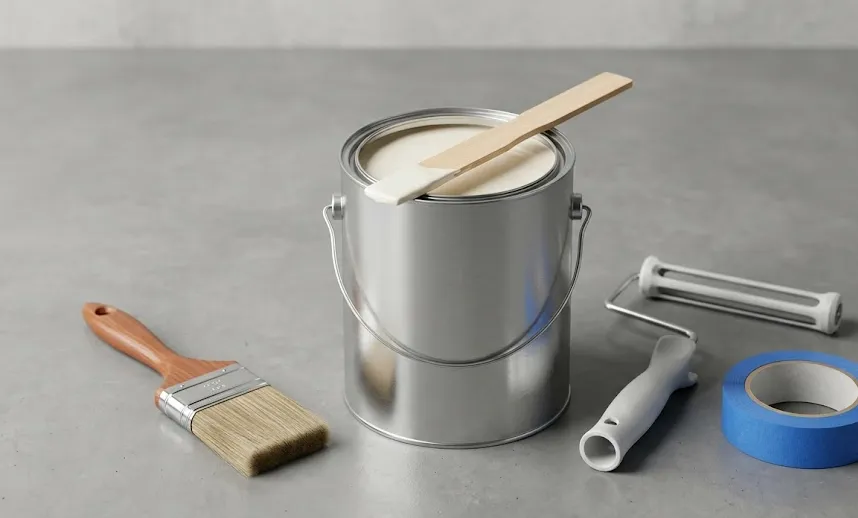
The specific type of paint you choose directly impacts your material budget. A standard gallon of interior paint costs between $20 and $90. Higher quality formulas cost more upfront, but they provide better coverage. Your room layout and daily use will determine exactly which paint you need to buy.
- Latex ($15 – $40 per gallon): This water-based paint is easy to apply and has a low odor. It works best in common living areas like bedrooms and living rooms.
- Acrylic ($40 – $80 per gallon): Another water-based option, acrylic offers high durability and strong adhesion. You should use this in high-moisture areas like kitchens and bathrooms.
- Oil-Based ($20 – $35 per gallon): This paint creates a very durable surface, but it produces strong fumes and takes much longer to dry. It is a solid choice for interior doors and wood molding.
- Zero VOC ($35 – $75 per gallon): This environmentally friendly paint is safe for indoor use. It works well in bedrooms and small enclosed spaces where ventilation is limited.
- Enamel ($20 – $35 per gallon): Available in both water and oil-based formulas, enamel provides a hard, gloss-like finish. People use it mostly for cabinets and baseboards.
- Chalk ($20 – $35 per gallon): This paint delivers a stylish, flat matte finish. It is used primarily for specialty projects on furniture or accent walls.
What Affects the Cost of Interior House Painting
Several details change the final price of an interior painting job. The overall size of the space and the current condition of your walls matter the most. Painters look at everything from the ceiling height to the specific paint brand you want before they give you a final number.
Project Scope
The total square footage drives your baseline cost. Tall ceilings require ladders and scaffolding, which take extra time to set up. Specific rooms like kitchens and bathrooms also take longer because the painters must work carefully around cabinets, appliances, and tight corners.
Preparation Work
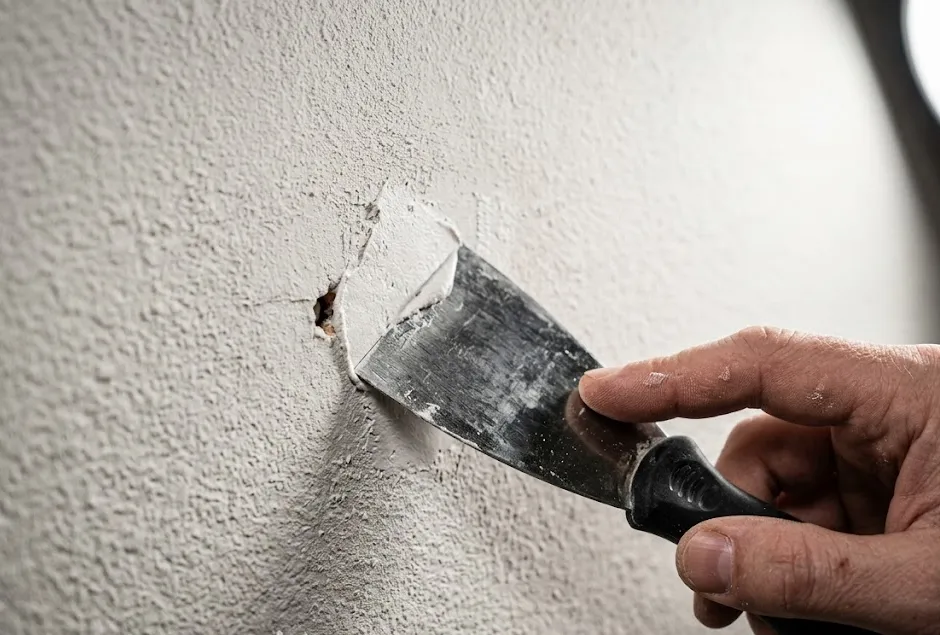
You have to prepare the walls before applying any primer. If you find a structural issue, you must pay to fix it first. Patching small drywall holes, cleaning dirty surfaces, and scraping off peeling paint all add to the final bill. Always ask if your estimate includes these basic repairs. Understanding how to estimate renovation costs helps you budget for these initial wall repairs before painting begins.
Paint Quality
The materials you choose directly impact your budget. Premium paints cost more upfront but provide a longer-lasting finish. Changing the room color completely, especially going from a dark shade to a light one, requires multiple coats. This extra material and application time will increase your total cost.
Architectural Complexity
Detailed work requires more focus and time. Painting intricate trim, baseboards, and window frames takes consistent hands and precision. Using multiple paint colors in a single room will also bump up the final price because it demands careful taping and cutting in.
Labor Costs
Most painters charge around $2 to $6 per square foot. This rate covers the standard application and basic supplies. As the project goes on, unexpected issues might pop up. Fixing hidden damage or adding extra coats will increase the total billable hours.
Regional Variability
Where you live changes the price. Expensive cities have higher rates for both labor and materials compared to smaller towns. You can sometimes lower your material costs by shopping at local supply stores that offer discounts when you buy paint in bulk.
Labor Costs to Paint an Interior House
Labor makes up the largest part of your painting bill. Professional painters usually charge between $1 and $3 per square foot of paintable surface area. If they estimate based on your floor space, expect to pay $3 to $7 per square foot. Most professionals also charge an hourly rate ranging from $20 to $50 per hour.
For an entire house, labor costs scale directly with the size of the project. A 1,000-square-foot home generally costs $1,000 to $3,000 in labor. Homes between 1,500 and 2,000 square feet range from $3,000 to $6,000. Large houses over 2,500 square feet will push labor charges from $6,000 to $12,000 or more. If you only want to paint a single average room, expect to pay $300 to $800 just for the labor.
Painters base these charges mostly on the required preparation work. Scraping old paint, cleaning surfaces, sanding walls, and patching holes take significant time. High ceilings force painters to rent specialized equipment, which drives the rate up. Adding complex details like molding or using multiple colors in one room will also increase the total hours billed.
Hidden Costs in Interior Painting Projects
Your initial estimate might not cover every detail of the job. Several unexpected expenses can pop up once the work begins. Always ask your contractor exactly what is included in your estimate to avoid surprises on your final bill.
- Drywall and Plaster Repairs: You need a smooth surface before any new primer goes on the wall. Extra repairs like patching holes, fixing cracks, or repairing drywall will add to the overall cost. You can read our drywall installation cost guide to plan for these specific wall repair expenses.
- Labor Complexities: Multi-story rooms and custom architectural features take more time to paint. Tall ceilings require scaffolding, and decorative columns need careful brushwork. These structural details add extra hours to the project.
- Moving and Protecting Furniture: Painters need a clear space to work. If the contractor has to move large couches or beds, they will charge you for the time and logistics. You also pay for the plastic sheeting and drop cloths needed to protect your belongings.
- Project Cleanup: Some companies charge a separate fee to clean up the site when the job ends. Taking down plastic barriers, sweeping floors, and removing empty paint cans can add an extra cost to your final invoice.
How to Estimate Your Interior Painting Cost
A good estimate comes from proper measurements, not just guessing the number of paint cans. Painting Estimating Services calculate the exact physical dimensions, local labor rates and wall condition factors that determine your true project cost giving you a defensible number before you hire anyone. Here is exactly how to build a realistic interior painting budget before you start buying supplies.
- Measure the Square Footage
Multiply the length of every wall by the room’s ceiling height to find your true paintable surface area. This exact square footage dictates your baseline material needs and the contractor’s initial labor quote.
- Determine Material Needs
A standard gallon of paint covers about 400 square feet of wall space. You should divide your total paintable square footage by 400 to find out exactly how many gallons you need for a single coat. You must also price out the necessary primer along with basic supplies like protective drop cloths and masking tape. Learning how to estimate building materials ensures you buy the exact amount of paint without overspending.
- Factor in Labor Rates
Multiply your paintable area by current local contractor rates, which usually sit between $1 and $3 per square foot. You must then add extra billable hours to cover the time painters spend scraping, sanding, and patching walls before they apply primer.
- Assess Surface Complexity
Rooms featuring vaulted ceilings or intricate wood trim force painters to work much more slowly. These architectural details require specific hand brushwork and taller scaffolding, which directly increases the final labor charge.
- Add a Contingency Fund
Add a strict 15-20% buffer to your calculated total to address unexpected site issues. This extra fund safely covers surprise drywall repairs or the sudden need for a third coat of paint over dark walls.
BONUS: Professional Takeoffs
Doing these calculations by hand often leads to fluctuating budgets and missed details. ACON Engineering runs your project parameters through advanced estimating software to pull the exact material quantities and zip code-based pricing required for the job, returning a bid-ready number in 24 to 72 hours.
DIY vs. Hiring a Professional Interior Painter
Tackling a small room or minor patchwork yourself is a smart way to save money. You can move at your own pace and avoid paying expensive labor rates. However, DIY painting takes a serious physical toll and eats up your weekends. The final result also rarely matches the quality of an experienced contractor.
Hiring a professional ensures a smooth, long-lasting finish. “Experts use proper equipment and know how to paint difficult areas safely and cleanly. If you want the best of both worlds, handle the basic site preparation yourself and pay a professional to actually apply the paint.
How to Save Money on Interior House Painting
You can easily lower your final bill by making smart decisions before the project starts.
- Manage the Prep Work: Move your own furniture, remove outlet covers, and clean the walls. Doing this basic site cleanup saves you hundreds of dollars in hourly labor charges.
- Pick Mid-Grade Materials: You do not need the most expensive premium brand, but avoid the cheapest options that require extra coats. Choose a reliable, medium-quality paint that balances a fair price with solid durability.
- Shop Local for Bulk Discounts: Only buy the supplies you strictly need. Purchase your paint from local shops that often offer discounts when you buy several gallons at once.
- Compare Multiple Quotes: It’s a good idea to compare estimates from at least three contractors. This helps you understand the true market rate and gives you room to negotiate.
- Book During the Off-Season: Contractors stay very busy during the spring and summer. Schedule your job during the slower winter months when painters are more willing to offer discounts to secure the work.
Accurate Interior Paint Takeoffs for Contractors
We help contractors avoid learning how to do construction takeoffs by providing exact material quantities. ACON Engineering provides expert construction estimating services to give you exact material quantities. Our US-based team uses advanced software like RSMeans & PlanSwift to deliver highly accurate, zip code-based pricing. We bring 15 years of industry experience and cover all CSI trades, so you never miss a detail. Our certified estimators strictly follow AACE standards to ensure complete precision. You get your bid-ready numbers back fast with a standard 24 to 72-hour turnaround time.
Frequently Asked Questions (FAQs)
How much paint is required for an interior room?
A standard gallon of paint covers about 400 square feet of surface area. You divide your total paintable square footage by 400 to find your baseline amount. Always buy an extra 10% to cover future touch-ups or highly porous walls.
What is the best way to calculate interior painting costs?
First, measure the exact square footage of the walls and ceilings you plan to cover. Multiply that number by the local labor rates and material costs for your specific area. Getting multiple contractor quotes also gives you a realistic market baseline.
What is the normal timeline for painting the inside of a home?
A professional painter usually finishes a standard room in a single day. Painting an entire average-sized house typically takes three to five days. Supervising the job yourself will easily stretch that timeline across multiple weekends.
Will fresh interior paint add value to my house?
Applying a new coat of paint offers a very high return on investment for home improvements. Neutral colors make a house look clean and move-in ready for potential buyers. This simple update directly increases buyer appeal and overall market value.

Tim C. is a construction estimating expert and Director at ACON Engineering, specializing in construction cost estimating, quantity takeoffs, and preconstruction planning. He has led thousands of successful project bids and helps contractors make informed, profitable decisions.